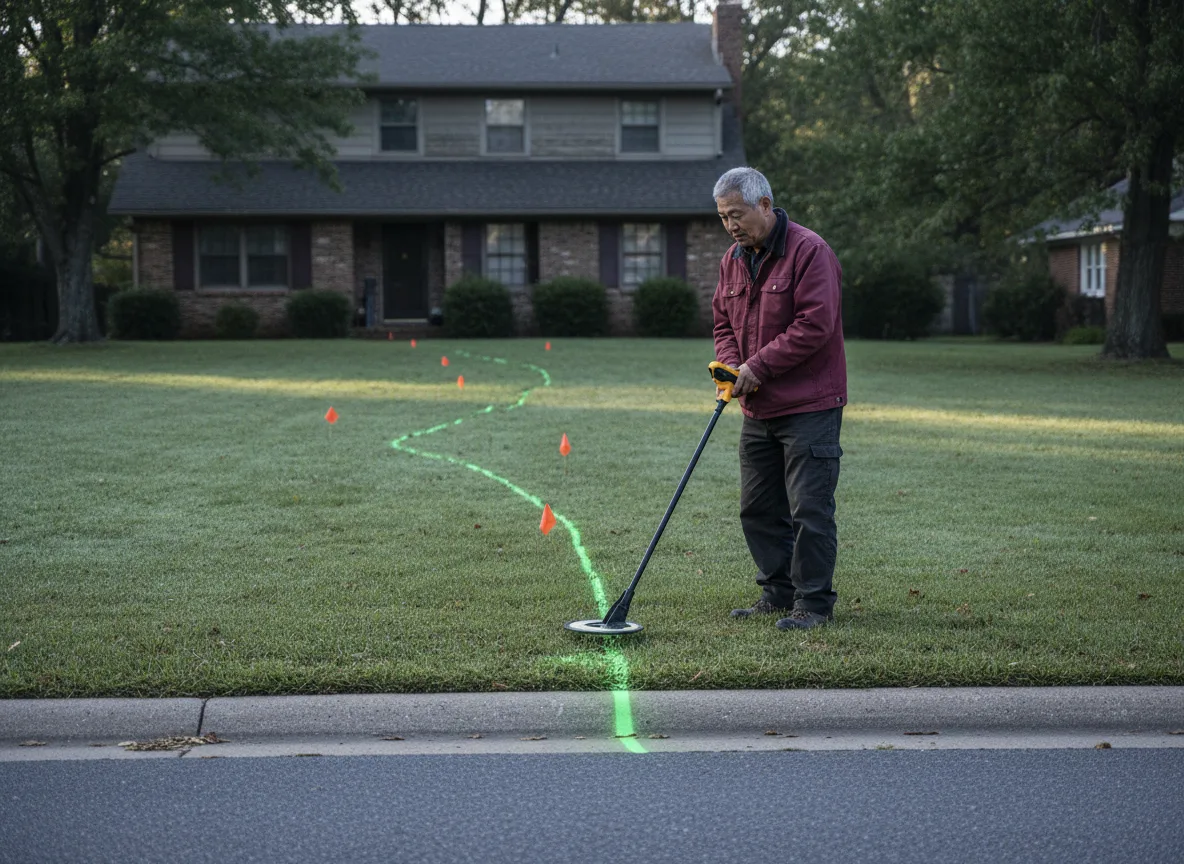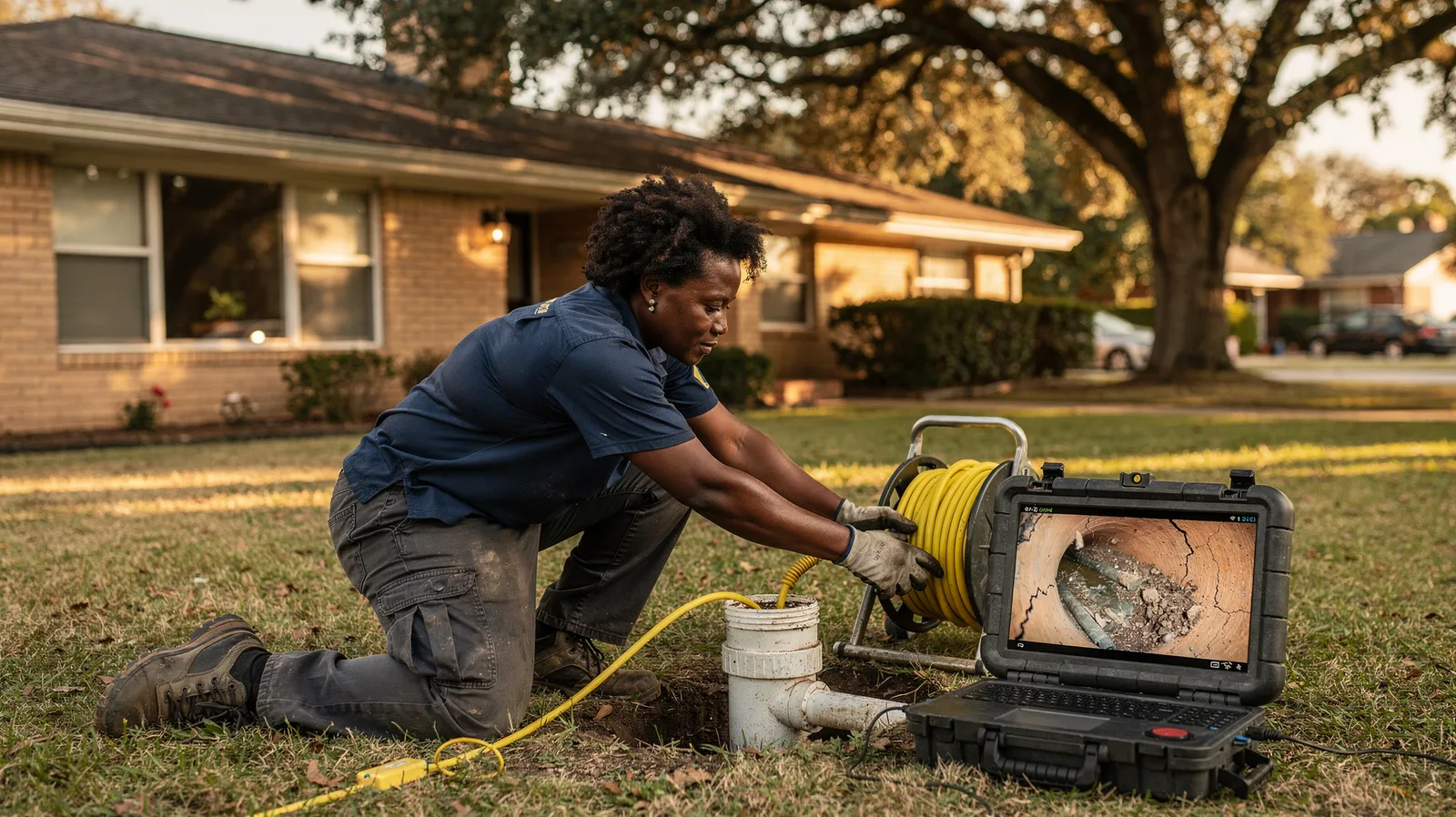
A standard home inspection runs water through the fixtures and watches the drains, but it does not look inside the buried sewer line. That pipe, the lateral, usually belongs to the homeowner from the house to the connection at the main, and once you close it belongs to you. A pre-purchase sewer scope fills that gap.
Homes where a scope matters most
- Houses built before about 1980, when clay, cast iron and Orangeburg fiber pipe were common
- Lots with large trees between the house and the street
- Homes that sat vacant, where a failing line may not have been used enough to show symptoms
- Any listing where the seller mentions past sewer work
Timing during the sale
Book the scope inside your inspection contingency period so the results can still shape your offer. The tech will need the water on and an accessible cleanout or toilet. If the line is heavily blocked, it may need clearing before the camera can pass, and that should be cleared with the seller first.
Using what you find
A clean scope is good news you can file away. If the footage shows a belly, a broken section or Orangeburg pipe that is losing its shape, you can ask for a repair, a price credit or more time to collect bids. Share the video file with every contractor you call in Java, SD so they all quote the same problem.